

The November wind arrives on the plains like a foreclosure agent demanding payment on a debt we foolishly thought was forgiven. It scours the siding of the farmhouse and tests the thermal seals of the windows with a predatory patience. We construct our defense against this encroaching gray violence with the ritual of the feast.
Thanksgiving has transformed from a harvest celebration into a desperate barricade of calories and electric light meant to hold back the heavy sky.
We gorge ourselves to prove our own viability in the face of a landscape that wishes to consume us. We mistake the high calorie count of the meal for actual survival skills. There is a frantic and terrified energy to this consumption because we are eating and drinking against the clock.
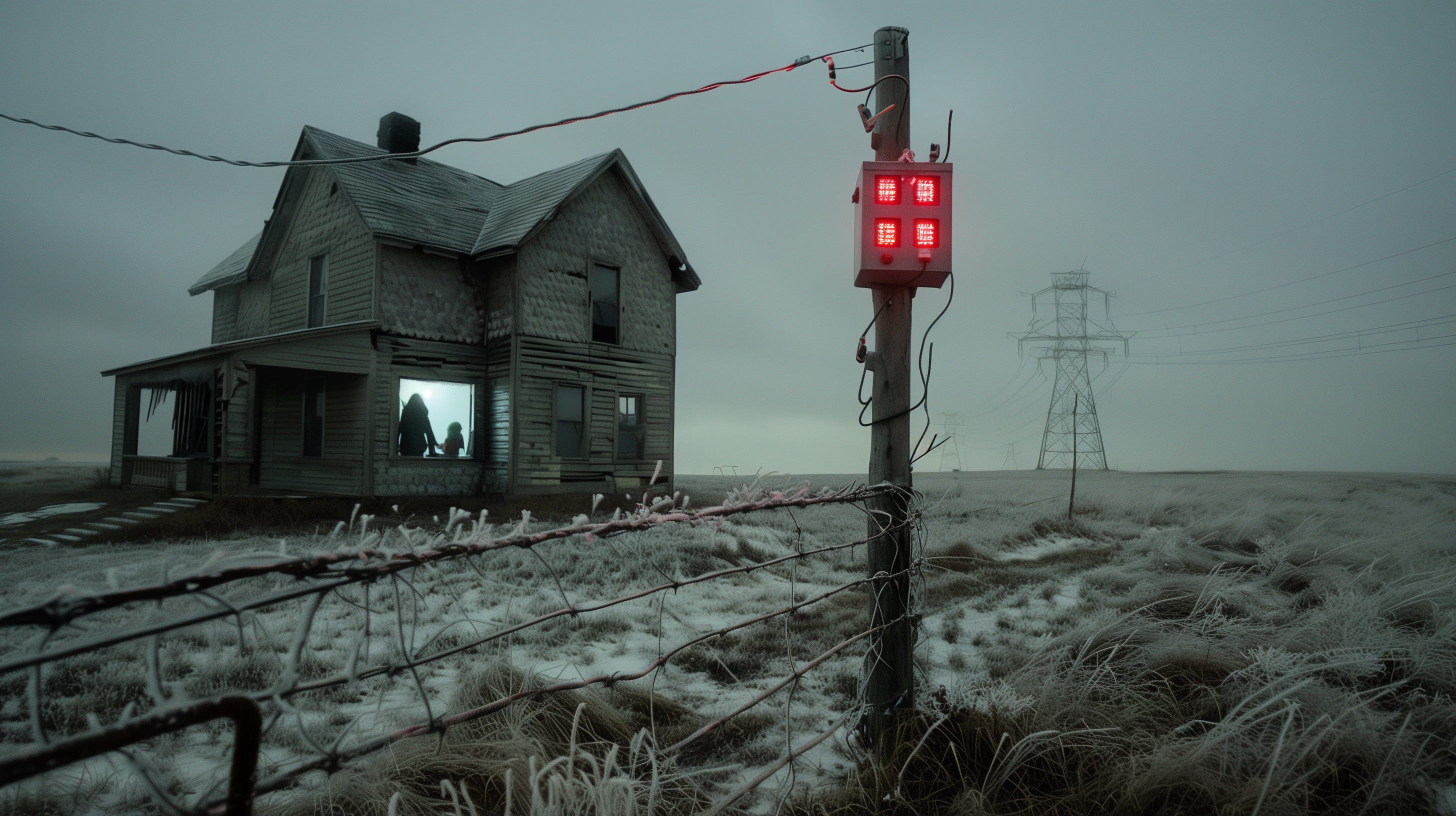
We rush to finish the wine before the wi-fi signal falters or the power grid bows under the sheer weight of the ice accumulating on the lines. We huddle inside climate-controlled boxes and pretend the digital thermostat is a shield strong enough to deflect the apathy of a blizzard.
We have canonized the pioneers as the inventors of this horizon even though they were merely the late arrivals to a long tragedy.
They mastered a specific kind of self-deception regarding their place in the hierarchy of the soil. They convinced themselves that suffering was a currency they could use to purchase the land. They believed that if they froze enough and bled enough and buried enough children in the hardpan they earned the right to rule the grass. They staked the earth with a profound arrogance.
They ignored the stone tools surfacing in the furrowed rows and the bison bones bleaching in the dry creek beds. They claimed ownership through the simple act of endurance. This narrative conveniently erased the millennia of stewardship that preceded their covered wagons. The populations before them understood the earth as a volatile parent that demands respect. The settlers viewed the earth as a hostile entity to be broken and fenced.
We have inherited this pioneer arrogance even as we have lost their ability to endure the cold. We claim the land because we signed a mortgage document. We foolishly believe a deed recorded at the county courthouse protects us from the physics of winter.
We have sanitized the harvest to the point of amnesia. The holiday was once a visceral recognition of death where the slaughtered animal and the severed crop were acknowledged as the blood price of continuing to breathe for another season.
We have exiled the violence to the edges of our vision. The turkeys are processed in windowless industrial sheds three counties away where the stainless steel gutters run red in the dark. The feast arrives on our table wrapped in plastic and divorced from the anatomy of the kill. We have traded the sacred terror of a lean winter for the gluttonous impulse of Black Friday sales.
The danger has evaporated and the gratitude has faded along with it. The ritual becomes hollow when the stakes are merely comfort or boredom rather than life or death. We recite thanks for the food without ever fearing its absence.
The prairie remains available to anyone willing to look past the centerpiece and into the dark yard. The land waits patiently under the asphalt of the retail parking lot and beneath the concrete slab of the massive data center.
The ancient and non-negotiable reality of the plains persists in the silence between the wind gusts. It lurks just outside the storm windows and watches us eat. The cold is the only honest thing left in November because it refuses to be negotiated with or ignored. It serves as a stark reminder that we are not owners here. We are merely tenants with a tenuous lease.
We eat our birds and stare at our screens while the frost sharpens its teeth on the wire fence. It waits for the fire to go out.