

We live in a rented interior world. Our attention is mortgaged to the highest bidder, our sense of self is leased from the opinions of others, and our quietest moments are colonized by the ceaseless chatter of the digital stream.
We have become tenants in our own minds, paying a steep price in anxiety and distraction for a space that never truly feels like our own. We have forgotten what it means to own the land of our own soul.
To remember, we must look back to a promise made of soil and sky: The Homestead Act of 1862. This was more than a law; it was a radical wager on the power of individual effort.
The government offered a simple contract: 160 acres of wild, untamed land to any citizen willing to do the work. It required you to build a home, to break the sod, and to cultivate the earth for five years.
In exchange for your sweat and resilience, the land would be yours. You could build a life from something you had earned.
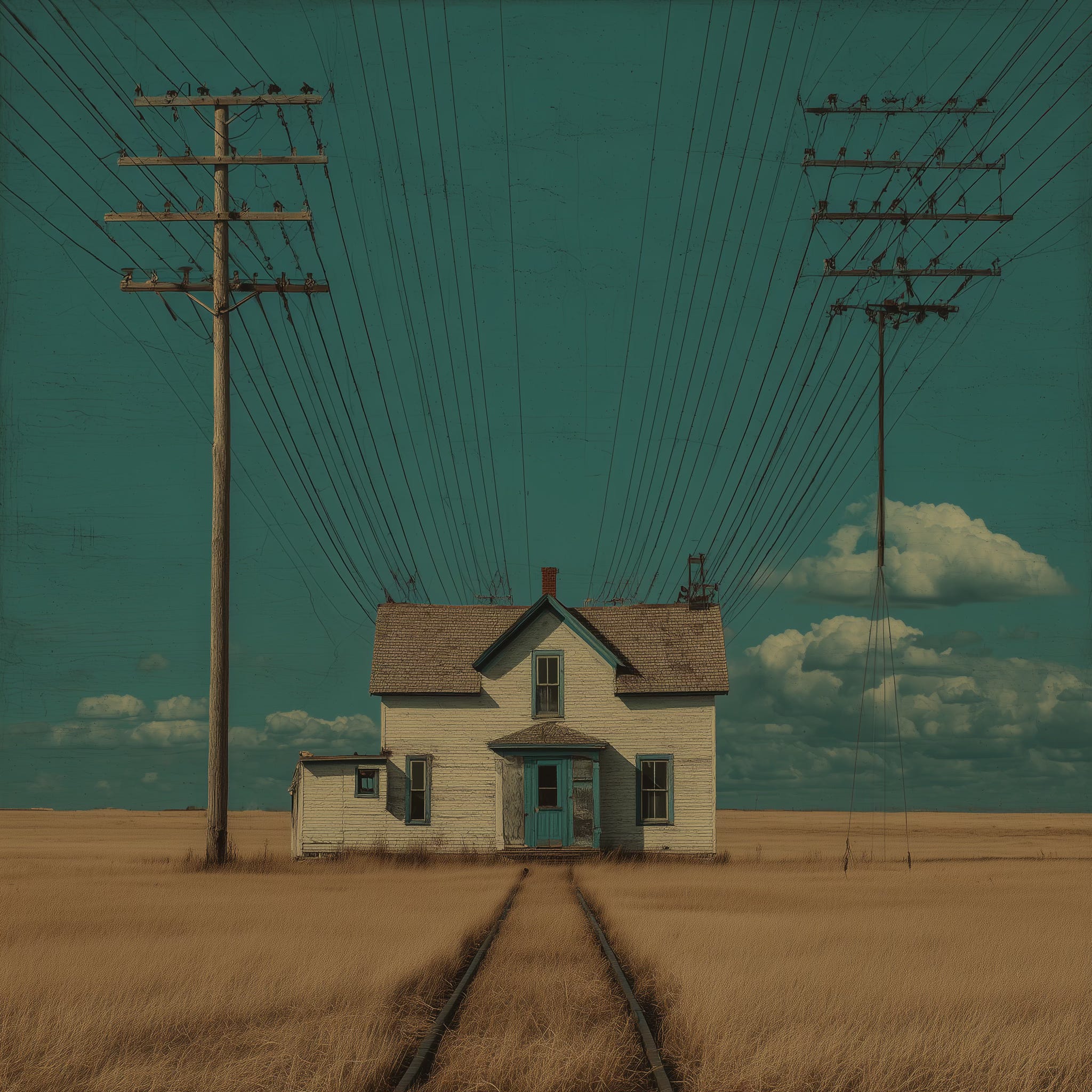
Today, the most vital frontier is not external, but internal. The untamed wilderness is the vast, distracted landscape of our own consciousness. And so, we must propose a new Homestead Act, a Homestead Act of the Soul.
The contract is the same. The government of the self offers a grant to that unclaimed territory within you. The claim jumpers are the notifications, the algorithms, and the endless demands for your attention that seek to squat on your mental land and extract its value.
The harsh elements are the storms of public opinion and the disorienting winds of outrage that threaten to sweep away any fledgling sense of inner stability.
To claim this land requires the same pioneer spirit. First, you must clear the ground. This is the difficult, necessary work of digital conservation. It means unsubscribing, unfollowing, and turning off the noise.
It is the deliberate choice to cut back the invasive species of trivial information to make room for something more substantial to grow.
Next, you must build a dwelling. A physical homestead provided shelter from the storm; a spiritual homestead provides a core set of values and principles that protect you from the chaos of the world.
This shelter is not built from prefabricated opinions, but from the slow, hard work of deep reading, quiet contemplation, and asking foundational questions: What do I believe? What is my purpose? What is a good life?
Finally, and most importantly, you must cultivate the land. A homestead was not a one-time transaction; it was a commitment to the rhythms of planting and harvesting. The same is true for the inner life.
This means cultivating practices that enrich your soul: the consistent habit of journaling, the discipline of learning a craft that requires focus, the simple act of taking a walk without a device. This is the slow, steady work that yields a harvest of resilience and self-reliance.
This is not a call to isolation. The original homesteaders built communities, held barn raisings, and relied on each other. The goal of the inner homestead is not to wall yourself off from the world, but to build a place of such hopeful stability and integrity that you can engage with the world from a position of strength, not reactivity.
It is to finally own the one piece of ground that is truly yours, and to build a life worthy of that sacred soil.