

There is a unique paradox in modern professional life: the feeling of being perpetually busy but rarely productive. It’s the vague exhaustion that settles in after ten hours of staring at a screen; a day spent navigating a relentless flood of emails, reports, and virtual meetings. You close the laptop, but there is no satisfying ache in your muscles, no tangible object to show for your effort. There is only the quiet, nagging question: What did I actually do today?
This feeling of digital dislocation is not a personal failure. It is the end result of a long, slow unwinding of the very meaning of a "good day's work," a concept that once formed the bedrock of the American identity. To understand the emptiness of the pixel, we must first remember the fullness of the plough.
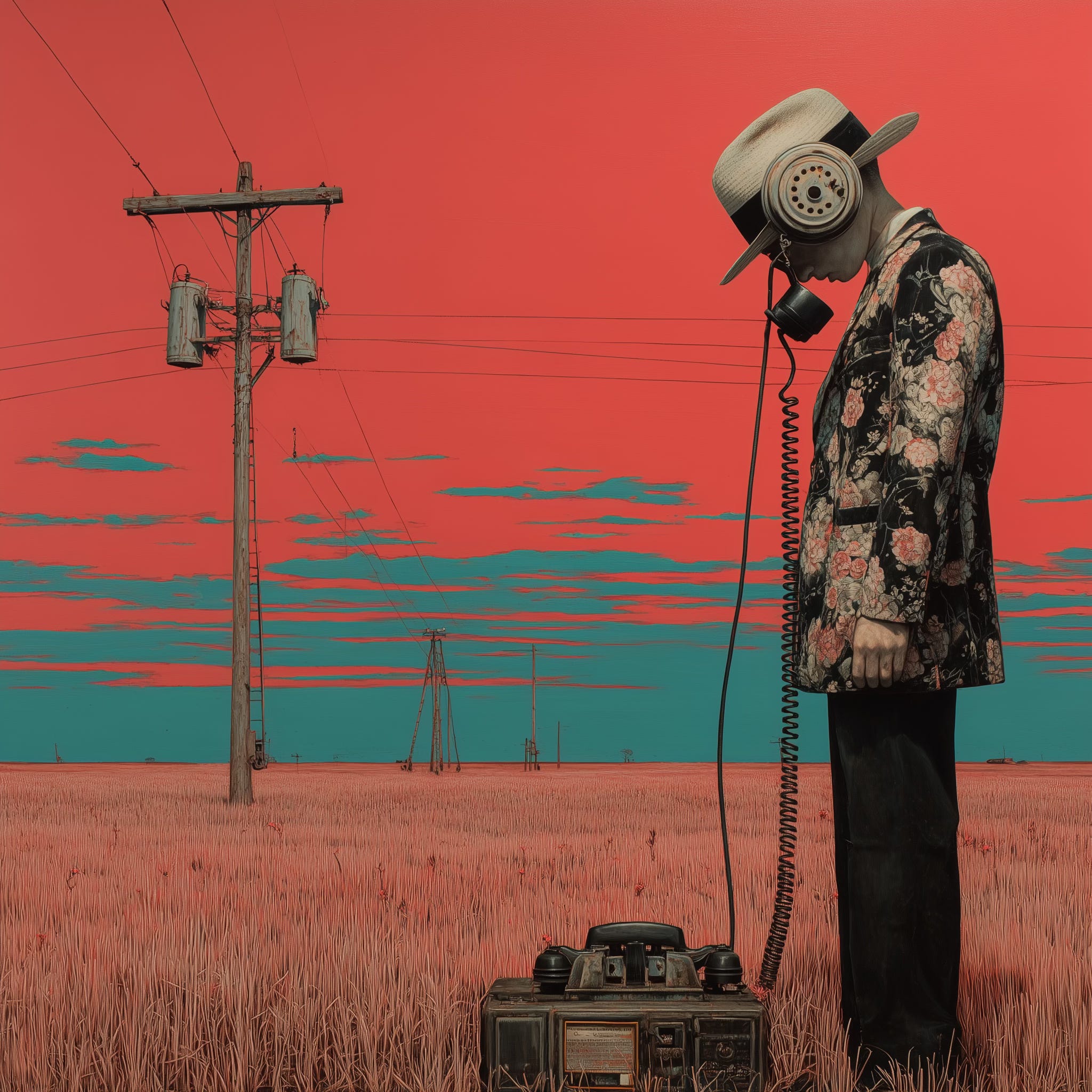
The Tangible Harvest
For most of our history, a good day’s work was something you could feel in your hands and see with your eyes. For the agrarian society that defined early America, work was a direct partnership with the physical world. The day was measured not by the clock, but by the sun and the seasons. Satisfaction was sensory and immediate: the sight of a newly cleared field, the smell of turned earth, the weight of a harvested bushel, the solid wall of a barn raised with the help of your neighbors.
The purpose of this labor was never in doubt. It was for survival, for family, for a future carved directly from the land. This tangible connection between effort and outcome created a human sense of meaning. Exhaustion at the end of the day was not a sign of burnout; it was a righteous and deeply satisfying confirmation of a life being actively built.
The Forge and the Assembly Line
The Industrial Revolution shifted labor from the field to the factory, and the meaning of work shifted with it. The clock became king, and work was measured in output and efficiency. A new kind of alienation was born, as the individual artisan was replaced by the cog in the great machine of the assembly line.
Yet, even here, a sense of tangible accomplishment remained. The steelworker could gaze up at a skyscraper and know his labor was in its bones. The autoworker could watch a finished car, a complex and powerful machine, roll off the line. Pride was found in craftsmanship, in collective effort, and in the creation of real, physical objects that would shape the nation. A good day's work resulted in a product you could touch—a solid, undeniable fact in a rapidly changing world.
The Abstract Product
Today, many of us have moved from the factory to the home office. Our tools are no longer the plough or the wrench, but the keyboard and the mouse. Work has become dematerialized. We labor in the abstract realm of the pixel, manipulating data, managing communications, and attending meetings in placeless digital rooms.
Here, the link between effort and outcome becomes broken. What is the physical result of a day spent answering emails? What is the tangible artifact of a successful Zoom call? The satisfying physical exhaustion of the farmer and the factory worker has been replaced by a draining mental fatigue.
Burnout is the term we use for this modern condition, a state of being perpetually "on" without the psychological release of closure. We are no longer alienated from the final product; we are alienated from the very process of our work.
This is not a nostalgic call to abandon our modern tools and return to the farm. It is a diagnosis of what we have lost: the fundamental human need for tangibility, purpose, and a clear finish line.
The challenge for our time is to consciously re-engineer our digital labor to reclaim these essential elements. It is to find ways to make our invisible progress visible, to define what "done" looks like, and to once again cultivate the simple, real satisfaction of a good day's work.